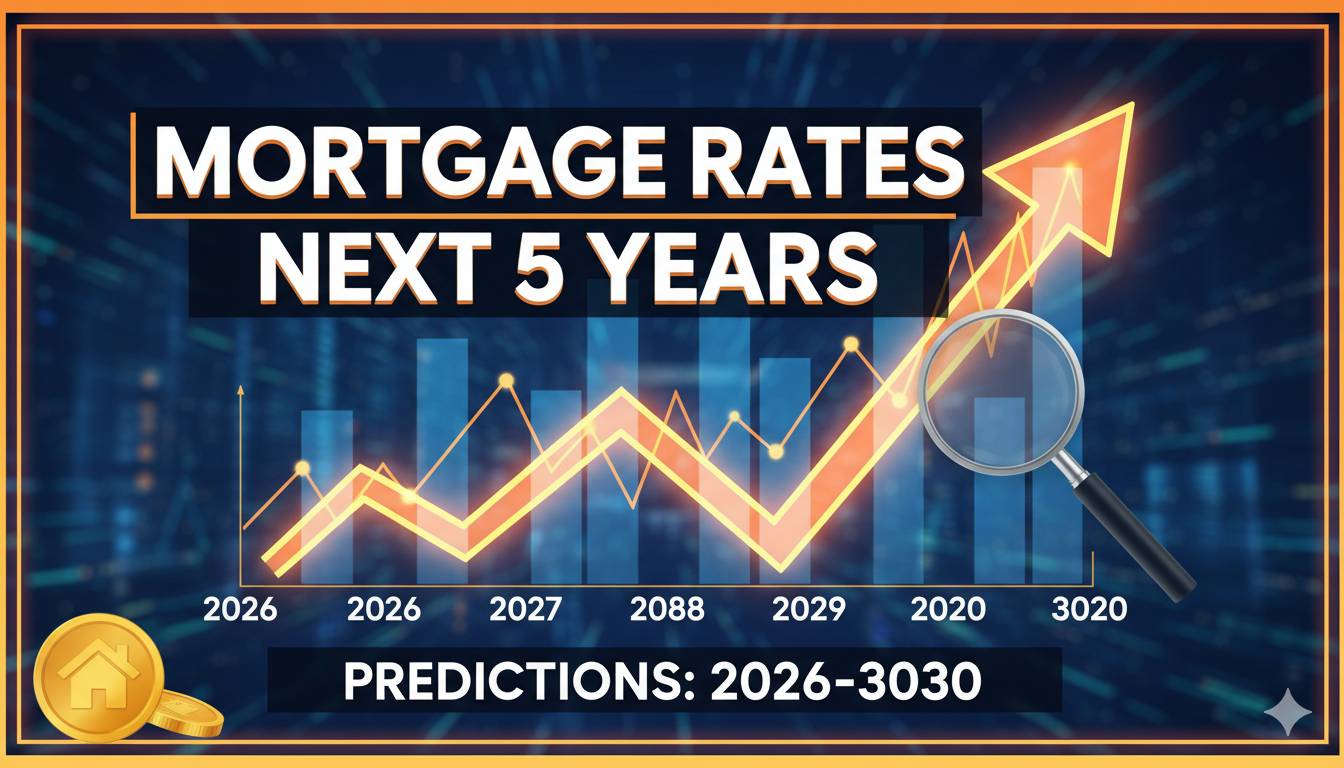
Expert forecasts indicate that 30-year fixed mortgage rates will hover between 6.0% and 6.4% in 2026, with limited declines in subsequent years due to persistent inflation pressures, elevated Treasury yields, and a resilient economy. Rates are expected to stabilize around 6% by 2030, offering modest relief for buyers but no return to sub-5% levels seen in prior decades.
Current Landscape and Near-Term Expectations
As of early January 2026, the average 30-year fixed mortgage rate stands at approximately 6.15% to 6.20%, marking a notable decline from peaks above 7% in prior years. This easing reflects cooling inflation and Federal Reserve policy adjustments, yet borrowing costs remain elevated compared to historical norms.
Major housing economists project only gradual movement downward in the coming years. Persistent factors—such as federal budget deficits, steady economic growth, and Treasury yields expected to remain above 4%—are likely to cap significant rate reductions.
Projected 30-Year Fixed Rate Averages (Consensus from Key Forecasts)
Driving Factors Behind the Outlook
| Year | Expected Average Range | Key Influences |
|---|---|---|
| 2026 | 6.0% – 6.4% | Modest Fed easing; potential for brief dips below 6% if inflation nears 2% target |
| 2027 | 6.0% – 6.4% | Stabilization as labor market softens slightly; refinance activity may rise modestly |
| 2028 | 6.1% – 6.5% | Slight upward pressure from fiscal policy; home sales expected to grow gradually |
| 2029 | 5.9% – 6.5% | Economic normalization; limited recession risk could push rates lower temporarily |
| 2030 | 5.8% – 6.3% | Long-term settlement near historical averages; no sub-5% return anticipated |
Several core elements will shape mortgage rates over this period. Inflation, while trending downward, is projected to linger above the Federal Reserve’s 2% target through much of 2026, limiting aggressive rate cuts. Treasury yields, a primary benchmark for mortgages, are forecasted to stay elevated due to ongoing federal borrowing needs and global demand dynamics.
Economic growth is anticipated to remain solid, supporting job creation but also contributing to sustained demand for credit. A mild labor market slowdown could prompt additional Fed adjustments, potentially trimming rates by 0.25% to 0.50% in select years, though not enough to drive mortgages dramatically lower.
Housing market implications include improved affordability through rising inventory and moderating home price growth, even if rates hold steady. Purchase originations are expected to increase gradually, with total single-family volumes potentially reaching higher levels by mid-decade as buyers adjust to the new normal.
Implications for Homebuyers and Homeowners
For prospective buyers, rates in the low-to-mid 6% range represent a manageable environment compared to recent highs, particularly with wage growth outpacing home price appreciation in many markets. Refinancing opportunities may emerge periodically if rates dip temporarily, though widespread waves are unlikely without a sharper economic shift.
Long-term stability around 6% suggests planning around current conditions rather than waiting for drastic drops. Adjustable-rate products or buydown options could provide flexibility for those entering the market sooner.
Disclaimer: This report is for informational purposes only and does not constitute financial advice, investment recommendations, or predictions of future events. Market conditions can change rapidly based on economic data, policy decisions, and global factors.