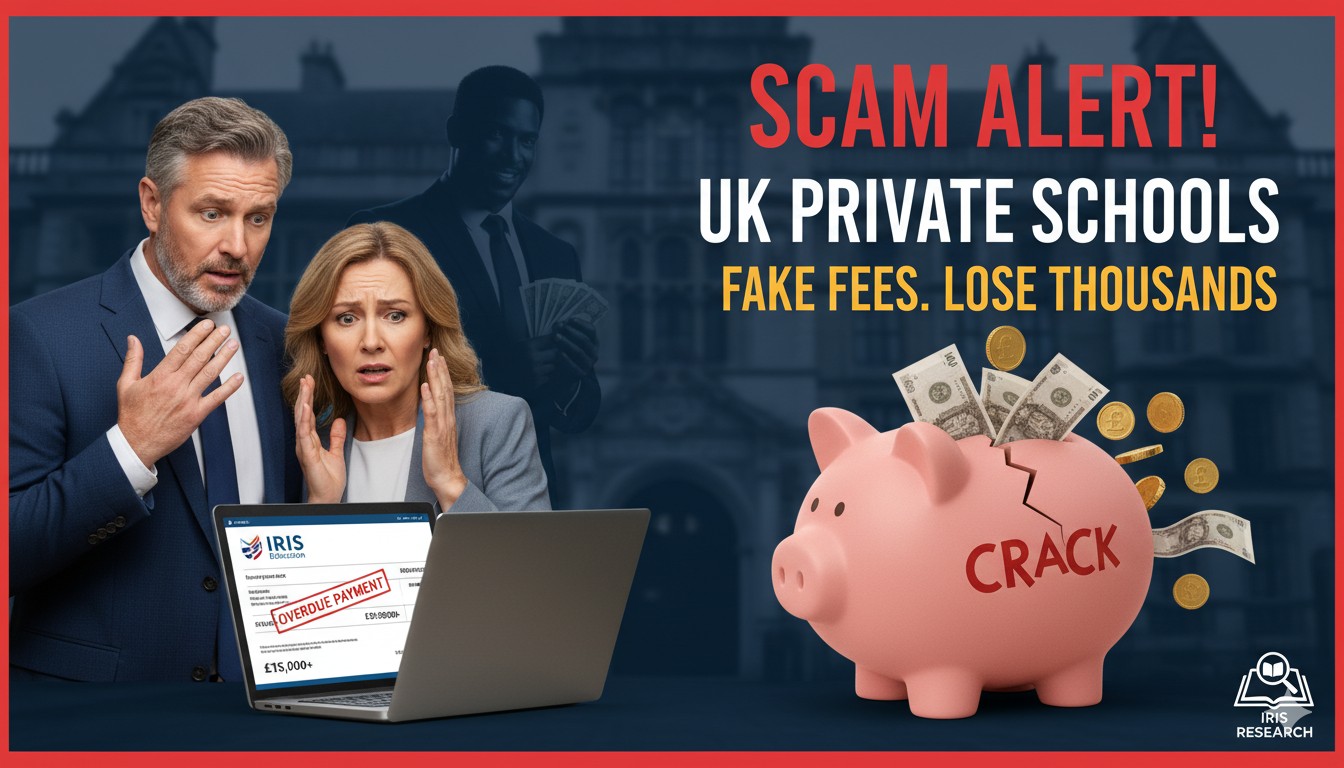
“New research uncovers widespread fee payment scams targeting every UK private school over the past five years, with parents facing average losses of £3,200 per incident as fraudsters impersonate institutions through sophisticated email mimicry and communication monitoring.”
Fraudsters have zeroed in on the lucrative world of UK private education, exploiting vulnerabilities in fee collection systems to siphon off substantial sums from unsuspecting families. A comprehensive survey of 100 bursars highlights how these scams operate with precision, often aligning attacks with payment deadlines to maximize deception.
Key Statistics from the Research
The study paints a stark picture of the scam landscape:
How the Scams Unfold
| Metric | Detail |
|---|---|
| Schools Targeted | 100% of UK private schools hit by at least one scam or attempt in the last five years |
| Average Incidents | 5 separate scam events per school over the period |
| Typical Loss per Scam | £3,200 on average, with one in five cases ranging from £5,000 to £10,000 |
| Security Confidence | 37% of schools express low confidence in their fee processes |
| Anti-Fraud Measures | 87% have some safeguards in place, but senior schools are five times more likely than prep schools to lack adequate protections (19% vs. 4%) |
| Perceived Risk Growth | 69% of bursars report an increase in scam threats over five years |
| Future Concerns | 68% worry about imminent targeting of their communities |
Scammers employ advanced tactics to blend seamlessly into legitimate school communications. They frequently gain access through phishing schemes or exploit misconfigured email permissions, allowing them to monitor ongoing dialogues between schools and parents. Once inside, they craft near-identical replicas of official invoices and payment instructions, often using slightly altered email addresses that evade casual scrutiny.
Overseas parents, who typically handle higher boarding and tuition fees, emerge as prime targets due to the larger transaction values involved. The reliance on email-based bank transfers in many institutions exacerbates the issue, as these methods lack the built-in verifications of more secure alternatives like direct debits. Although 80% of schools offer direct debit options, only 38% actively promote them as the preferred payment channel, leaving room for manual processes that scammers can intercept.
Broader Financial Implications
These incidents underscore the fragmented nature of payment systems in private education, where outdated technology and high-value, multi-installment fees create ideal conditions for exploitation. Bursars note that criminals are growing more sophisticated, adapting to basic defenses and timing their strikes for peak effectiveness. For American families considering international schooling or facing similar domestic risks, this serves as a cautionary tale about verifying payment details directly with institutions rather than relying on unsolicited emails.
Protective Strategies Highlighted
While the research stops short of formal prescriptions, it implicitly points to bolstering defenses through unified payment platforms and enhanced training. Encouraging automated, secure methods over ad-hoc transfers could curb vulnerabilities, as could routine audits of communication channels to detect unauthorized access early.
Disclaimer: This news report provides general information and tips based on available sources; it is not intended as professional financial advice.